Governance
Ensuring the highest standards of responsibility, accountability and transparency throughout our supply chain.
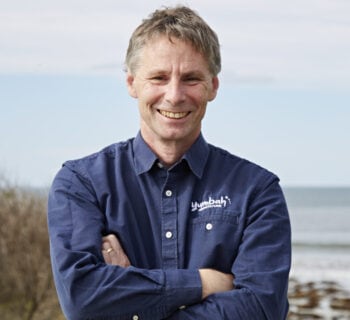
David Wood
Chief Executive Officer
David has deep executive experience in aquaculture. He joined Yumbah as its inaugural chief executive in 2021, and leads the journey to being Australia’s leading shellfish aquaculture company.
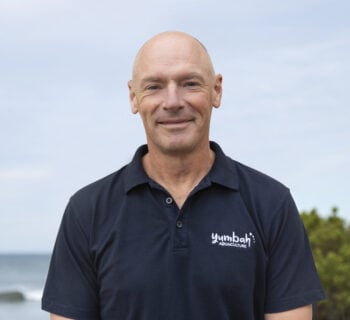
Richard Davey
Chief Financial Officer
Richard is an experienced commercial finance executive, with a track record of driving organisational change and improving earnings quality through organic and acquisition growth, enhancing capital allocation and simplifying business processes.
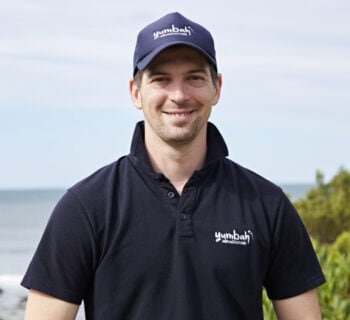
Ben Cameron
General Manager, Oysters
Ben has oyster farming in his genes, having led Cameron of Tasmania and its integration into the Yumbah group. He is a director of the Tasmanian Oyster Research Council and Seafood Maritime Training.
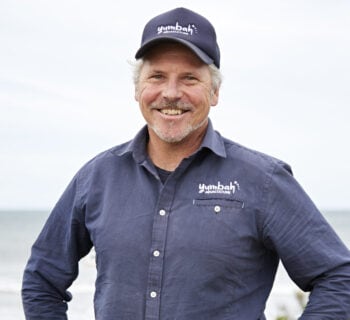
Tim Rudge
General Manager, Future Farming
Tim is a pioneer of onshore abalone farming, having established the first farm at Narrawong in western Victoria and now focussed on delivering the growth in Yumbah’s future farming program. Tim is a director of Seafood Industry Victoria.
Mark Andrews
General Manager, Mussels
Mark is a pioneer of mussel farming and processing, part of the Eyre Peninsula Seafoods success story, and having held senior management roles in the industry in New Zealand and Australia.
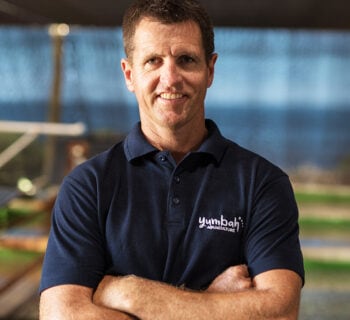
Tom Hyde
General Manager, Yumbah Hatchery
Tom is an Eyre Peninsula local; his home is Port Lincoln where’s he’s an industry stalwart of Australia’s Seafood Capital.
Peter Lillie
General Manager, Yumbah Sea Farms
Peter began what is now Yumbah Sea Farms, and was co-founder of Victorian Shellfish Hatchery providing mussel spat, and angasi and rock oyster spat.
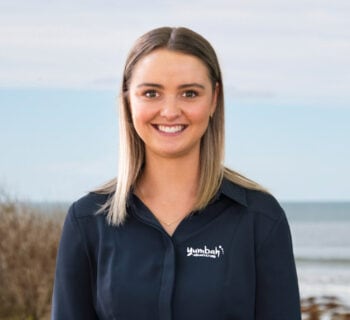
Chloe Lange
People and Culture Business Partner
Chloe leads Yumbah’s People and Culture division, with responsibility for aligning the work of Yumbah’s people with the company's ongoing growth and diversification.
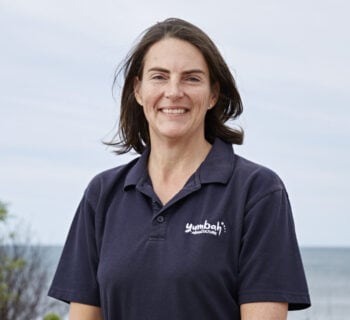
Louise Vosloo
Fish Performance Manager
Louise’s task is to continuously connect the dots between abalone biology, business demand and measured performance, providing information and analysis that informs the Yumbah’s decision-making.
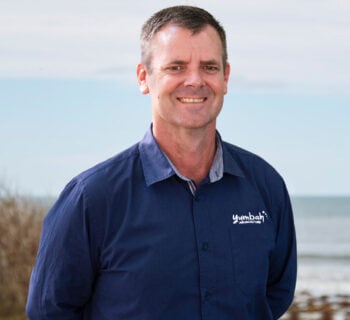
Ray Henderson
General Manager, Abalone
Ray leads Yumbah’s abalone operations, bringing deep international experience in abalone culture to Yumbah’s vertically integrated abalone business across three states.
Adam Waugh
General Manager, Sales and Marketing
Adam is a collaborative and entrepreneurial executive leader who leads Yumbah’s strong focus on customers and people for profitable sales growth and increasing brand equity.
Andrew Puglisi
Mussel Sales Manager
Andrew is fifth generation in the seafood business, the owner and managing director of Kinkawooka Mussels and executive director of Eyre Peninsula Seafoods before joining Yumbah in 2023.
Ellen Duke
Commercial Project Officer, Oysters
Ellen is a third generation Tasmanian oyster farmer specialising in hatchery, nursery, grow-out and processing, a qualified trainer and assessor, and director of Oysters Tasmania
Supply chain
Every Yumbah processing plant and production partner’s operations are certified and audited for AQUIS and HACCP compliance, whether it’s fresh oysters harvested and temperature monitored through cold chain, abalone frozen using our suspended animation process, or mussels packed and despatched to market within 24 hours of harvest.
Quality
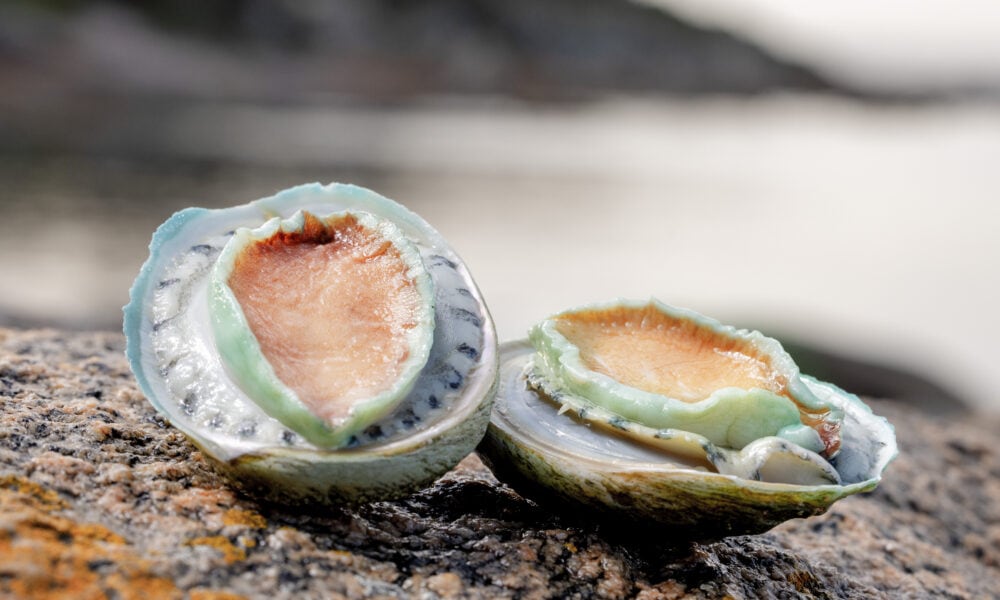
We work with the natural capital of our environments to ensure we farm for today, tomorrow and for generations to come. Yumbah abalone, mussels and oysters are bred from Yumbah farmed broodstock in purpose-built hatcheries and nurseries, and are not reliant on wild fisheries for restocking.
Maintaining and monitoring water quality ensures our off-site impacts are minimal. Our bivalve produce – mussels and oysters – actively improving water quality as filter feeders.
Investing in innovation, technology and partnerships improves the quality of our produce, our environmental impact and the sustainability of our entire supply chain.
Aquaculture Stewardship Council certification provides a framework to measure compliance; preservation of habitat, biodiversity, ecosystems, diversity of wild populations and water resources and quality; responsible use of feed and other resources; fish health; responsible use of antibiotics and chemicals; and social responsibility to staff and local communities.
asfasdfasdf
Farming for future generations, with respect and care for the natural environments where we operate.
Recognising the social significance of the places we work, building long-term relationships with community and stakeholders.